Buy my-bbq.com ?
We are moving the project
my-bbq.com .
Are you interested in purchasing the domain
my-bbq.com ?
domain@kv-gmbh.de · 0541-91531010
Buy my-bbq.com ?
Why is the Cold War called the Cold War?
The Cold War is called the Cold War because it was characterized by a lack of direct military conflict between the two main adversaries, the United States and the Soviet Union. Instead of engaging in open warfare, the two superpowers engaged in a variety of indirect conflicts, such as the arms race, espionage, and proxy wars. The term "cold" reflects the fact that the tensions and hostilities between the two sides did not escalate into full-scale military confrontation. **
Is the Cold War really cold?
The term "Cold War" refers to the political and ideological tension between the United States and the Soviet Union after World War II, characterized by espionage, proxy wars, and a nuclear arms race. While direct military conflict between the two superpowers was avoided, the Cold War was marked by numerous "hot" conflicts in places like Korea, Vietnam, and Afghanistan. Additionally, both sides engaged in covert operations and supported opposing factions in various countries, leading to significant violence and instability. Therefore, while the Cold War may not have resulted in a full-scale direct war between the US and the Soviet Union, it was far from "cold" in terms of its impact on global politics and the lives of people in many parts of the world. **
Similar search terms for Cold War
Top-Angebote
Products related to Cold War:
-
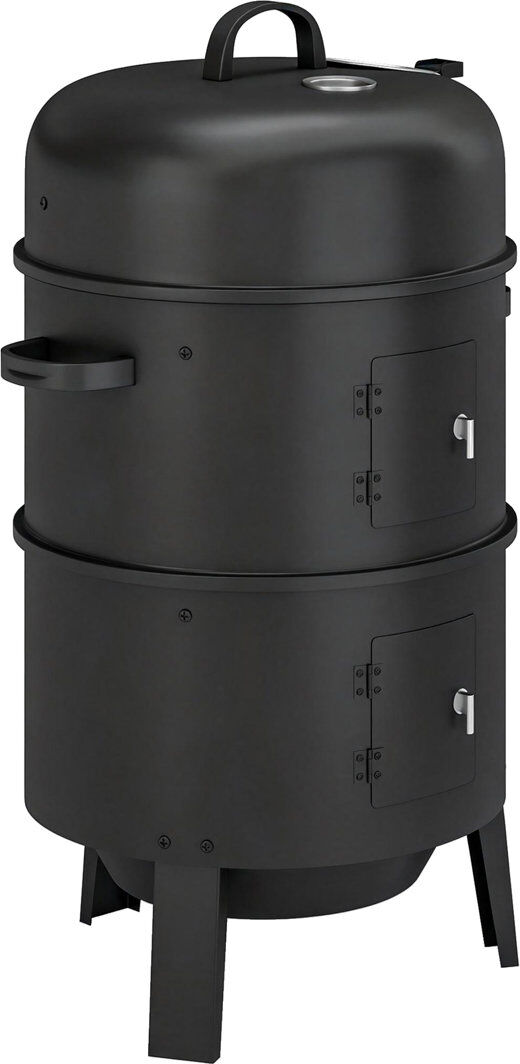
Dakota Fields Charcoal Barbecue Grill Portable BBQ Grill, 3 Shelves Red 46cm WFire up the fun with the portable BBQ grill— your essential companion for sizzling, flavour-packed cookouts! It has a 1840 cm² grilling area and effortlessly serving your friends or family members. Take control of your BBQ experience with an three shelves, adjustable vent and anti-scald handles, ensuring precision heat management for perfectly grilled delights every time. Get ready to grill like a pro!- Comes with a warming rack and a 1840 cm² grill grate; - Lid for a smoky flavour can be locked to prevent opening when moving it; - Top air vent for convenient temperature control; - Front vents provide enough oxygen for charcoal combustion; - Two side shelves and a bottom shelf simplify food preparation; - A removable ash container for easy cleaning; - Steel frame for outdoor use; - Assembly required;- Colour: Black; - Materials: Steel, Fir Wood; - Overall Dimension: 98L x 54W x 91H cm; - Grill Grate Dimension: 46L x 40W cm; - Warming Rack Dimension: 38L x 19W cm; - Charcoal Net Dimension: 33L x 33W cm; - Bottom Shelf Dimension: 35L x 34W cm; - Side Shelf Dimension: 34L x 20W cm; - Weight Capacity: 5 kg; - Item Label: 846-180V00BK; Dakota Fields Finish: Red59,99 £*Shipping: 0,00 £Secure redirect to the provider
-
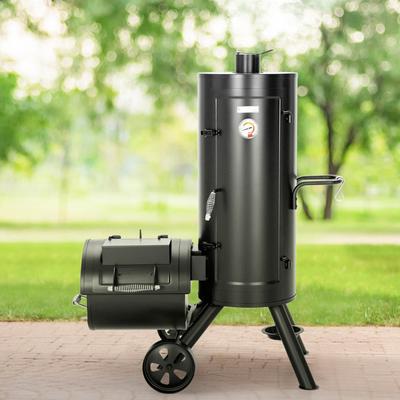
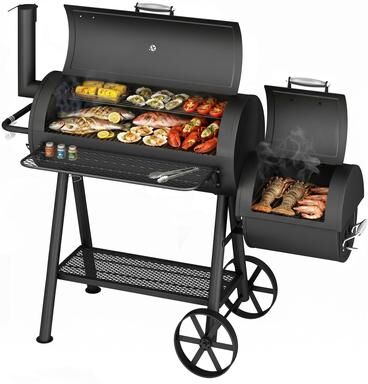
MAISON ARTS Extra Large Charcoal Vertical Smoker Grill & Offset Smoker Combo - Ultimate Outdoor BBQ with 5 Removable Racks[ MAISON ARTS ] Elevate your outdoor cooking with our Extra Large Charcoal Vertical Smoker Grill and Offset Smoker Combo. Designed for versatility, this powerful BBQ unit features five removable racks and built-in hooks for optimal smoking space.407,42 $*Shipping: 0,00 $Secure redirect to the provider

-
Why is the Cold War called cold?
The Cold War is called "cold" because it was characterized by a lack of direct military conflict between the two main superpowers involved, the United States and the Soviet Union. Instead of engaging in open warfare, the two sides engaged in a variety of indirect confrontations, such as espionage, propaganda, and proxy wars in other countries. The term "cold" reflects the fact that the tensions and hostilities between the two sides never escalated into a full-scale hot war. **
-
What was the Cold War?
The Cold War was a period of geopolitical tension and rivalry between the United States and the Soviet Union, as well as their respective allies, that lasted from the end of World War II in 1945 until the collapse of the Soviet Union in 1991. It was characterized by ideological, political, and military competition, but without direct armed conflict between the two superpowers. The Cold War had a significant impact on global politics, shaping alliances, conflicts, and the balance of power for decades. **
-
Why does Cold War stutter?
The Cold War stuttered due to a combination of factors such as the ideological differences between the United States and the Soviet Union, the arms race, and the fear of nuclear war. Both sides engaged in a delicate balance of power, leading to periods of tension and conflict. Additionally, the lack of trust and communication between the two superpowers further contributed to the stuttering of the Cold War, as each side sought to outmaneuver the other without escalating into a full-scale war. **
-
Was the Cold War unavoidable?
The Cold War was not necessarily unavoidable, as it was the result of specific historical events and decisions made by the United States and the Soviet Union. Tensions between the two superpowers began to rise after World War II, as their conflicting ideologies and spheres of influence led to a power struggle. However, it is possible that with different leadership and diplomatic efforts, the Cold War could have been avoided or at least mitigated. Ultimately, the complex web of factors that contributed to the Cold War makes it difficult to definitively say whether it was unavoidable or not. **


Was the Cold War avoidable?
The Cold War was not entirely avoidable due to the fundamental ideological differences between the United States and the Soviet Union. The clash between capitalism and communism, as well as the desire for global influence and power, created an environment of tension and suspicion that ultimately led to the Cold War. However, there were moments when tensions could have been eased and conflicts avoided, such as during the early years of post-World War II diplomacy. Nonetheless, the deep-seated ideological and geopolitical differences between the two superpowers made the Cold War difficult to prevent entirely. **
Isn't the Cold War inevitable?
The Cold War was not inevitable, as it was the result of specific historical events and decisions made by the United States and the Soviet Union. Tensions between the two superpowers were exacerbated by ideological differences, competition for global influence, and the development of nuclear weapons. However, there were opportunities for cooperation and peaceful coexistence that were not fully pursued. Therefore, while there were underlying factors that contributed to the Cold War, it was not an inevitable outcome. **
Top-Angebote
Products related to Cold War:
-
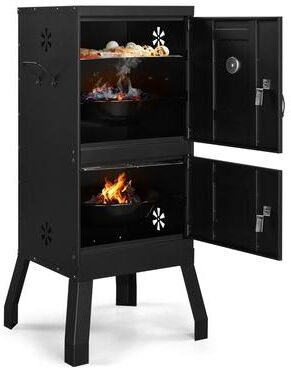
Outsunny 3-in-1 Vertical Barbecue Charcoal Smoker, BBQ with 2 Grill Grates Black 37.5cm WTired of garden clutter and inconsistent grilling results? Juggling a smoker and a grill can spoil the party atmosphere, leaving you with dry food and little time to relax. This Outsunny bbq smoker simplifies everything. Its 3-in-1 design and large, dual-tier cooking space let you host with ease. Achieve juicy, smoky perfection every time thanks to precise temperature control, making you the undisputed hero of every outdoor gathering.- Versatile 3-in-1 design functions as a smoker, grill and fire pit; - Two-tier large capacity with hooks easily caters to large party gatherings; - The charcoal grate allows you to put charcoal or wood chips inside; - Integrated thermometer and adjustable air vent ensure precise temperature and smoke control; - Dual access doors let you add charcoal without losing crucial heat inside; - Heavy-duty steel construction with anti-scald handles ensures durability and safe operation; - Includes all essential accessories for a quick setup right out of the box;- Colour: Black; - Materials: Aluminium, Bakelite; - Overall Dimensions: 52W x 41.5D x 81H cm; - Lid Size: Φ41.5 cm; - Grill Grate Size: Φ37.5 cm; - Charcoal Grate Size: Φ25 cm; - Water Pan Size: Φ38 x 8.5H cm; - Door Size: 12W x 13.5H cm; - Handle Size: 12L x 6H cm; - Thermometer Size: Φ5 cm; - Vent Size: Φ10 cm; - Leg Size: 5.5W x 15.5H cm; - Grilling Area: 0.11 m²; - Maximum Load: 0.3 kg (Grill Grate); - Item Label: 846-313V90BK; Outsunny48,99 £*Shipping: 4,99 £Secure redirect to the provider
-
Dakota Fields Charcoal Barbecue Grill Portable BBQ Grill, 3 Shelves Red 46cm WFire up the fun with the portable BBQ grill— your essential companion for sizzling, flavour-packed cookouts! It has a 1840 cm² grilling area and effortlessly serving your friends or family members. Take control of your BBQ experience with an three shelves, adjustable vent and anti-scald handles, ensuring precision heat management for perfectly grilled delights every time. Get ready to grill like a pro!- Comes with a warming rack and a 1840 cm² grill grate; - Lid for a smoky flavour can be locked to prevent opening when moving it; - Top air vent for convenient temperature control; - Front vents provide enough oxygen for charcoal combustion; - Two side shelves and a bottom shelf simplify food preparation; - A removable ash container for easy cleaning; - Steel frame for outdoor use; - Assembly required;- Colour: Black; - Materials: Steel, Fir Wood; - Overall Dimension: 98L x 54W x 91H cm; - Grill Grate Dimension: 46L x 40W cm; - Warming Rack Dimension: 38L x 19W cm; - Charcoal Net Dimension: 33L x 33W cm; - Bottom Shelf Dimension: 35L x 34W cm; - Side Shelf Dimension: 34L x 20W cm; - Weight Capacity: 5 kg; - Item Label: 846-180V00BK; Dakota Fields Finish: Red59,99 £*Shipping: 0,00 £Secure redirect to the provider
-
MAISON ARTS Extra Large Charcoal Vertical Smoker Grill & Offset Smoker Combo - Ultimate Outdoor BBQ with 5 Removable Racks[ MAISON ARTS ] Elevate your outdoor cooking with our Extra Large Charcoal Vertical Smoker Grill and Offset Smoker Combo. Designed for versatility, this powerful BBQ unit features five removable racks and built-in hooks for optimal smoking space.407,42 $*Shipping: 0,00 $Secure redirect to the provider
-
Why is the Cold War called the Cold War?
The Cold War is called the Cold War because it was characterized by a lack of direct military conflict between the two main adversaries, the United States and the Soviet Union. Instead of engaging in open warfare, the two superpowers engaged in a variety of indirect conflicts, such as the arms race, espionage, and proxy wars. The term "cold" reflects the fact that the tensions and hostilities between the two sides did not escalate into full-scale military confrontation. **
-
Is the Cold War really cold?
The term "Cold War" refers to the political and ideological tension between the United States and the Soviet Union after World War II, characterized by espionage, proxy wars, and a nuclear arms race. While direct military conflict between the two superpowers was avoided, the Cold War was marked by numerous "hot" conflicts in places like Korea, Vietnam, and Afghanistan. Additionally, both sides engaged in covert operations and supported opposing factions in various countries, leading to significant violence and instability. Therefore, while the Cold War may not have resulted in a full-scale direct war between the US and the Soviet Union, it was far from "cold" in terms of its impact on global politics and the lives of people in many parts of the world. **
-
Why is the Cold War called cold?
The Cold War is called "cold" because it was characterized by a lack of direct military conflict between the two main superpowers involved, the United States and the Soviet Union. Instead of engaging in open warfare, the two sides engaged in a variety of indirect confrontations, such as espionage, propaganda, and proxy wars in other countries. The term "cold" reflects the fact that the tensions and hostilities between the two sides never escalated into a full-scale hot war. **
-
What was the Cold War?
The Cold War was a period of geopolitical tension and rivalry between the United States and the Soviet Union, as well as their respective allies, that lasted from the end of World War II in 1945 until the collapse of the Soviet Union in 1991. It was characterized by ideological, political, and military competition, but without direct armed conflict between the two superpowers. The Cold War had a significant impact on global politics, shaping alliances, conflicts, and the balance of power for decades. **
Similar search terms for Cold War
-
Sunjoy 20 in. Charcoal Grill, Egg-shaped Outdoor Grill with Pizza Stone, Ultimate BBQ Grill and Smoker with WheelsIntroducing the Sunjoy 20 in. Egg-shaped Grill with Pizza Plate - your ticket to culinary excellence! Level up your grilling game with this versatile kamado-style BBQ Grill and Smoker.569,49 $*Shipping: 0,00 $Secure redirect to the provider
-
Why does Cold War stutter?
The Cold War stuttered due to a combination of factors such as the ideological differences between the United States and the Soviet Union, the arms race, and the fear of nuclear war. Both sides engaged in a delicate balance of power, leading to periods of tension and conflict. Additionally, the lack of trust and communication between the two superpowers further contributed to the stuttering of the Cold War, as each side sought to outmaneuver the other without escalating into a full-scale war. **
-
Was the Cold War unavoidable?
The Cold War was not necessarily unavoidable, as it was the result of specific historical events and decisions made by the United States and the Soviet Union. Tensions between the two superpowers began to rise after World War II, as their conflicting ideologies and spheres of influence led to a power struggle. However, it is possible that with different leadership and diplomatic efforts, the Cold War could have been avoided or at least mitigated. Ultimately, the complex web of factors that contributed to the Cold War makes it difficult to definitively say whether it was unavoidable or not. **
-
Was the Cold War avoidable?
The Cold War was not entirely avoidable due to the fundamental ideological differences between the United States and the Soviet Union. The clash between capitalism and communism, as well as the desire for global influence and power, created an environment of tension and suspicion that ultimately led to the Cold War. However, there were moments when tensions could have been eased and conflicts avoided, such as during the early years of post-World War II diplomacy. Nonetheless, the deep-seated ideological and geopolitical differences between the two superpowers made the Cold War difficult to prevent entirely. **
-
Isn't the Cold War inevitable?
The Cold War was not inevitable, as it was the result of specific historical events and decisions made by the United States and the Soviet Union. Tensions between the two superpowers were exacerbated by ideological differences, competition for global influence, and the development of nuclear weapons. However, there were opportunities for cooperation and peaceful coexistence that were not fully pursued. Therefore, while there were underlying factors that contributed to the Cold War, it was not an inevitable outcome. **
* All prices are inclusive of VAT and, if applicable, plus shipping costs. The offer information is based on the details provided by the respective shop and is updated through automated processes. Real-time updates do not occur, so deviations can occur in individual cases. ** Note: Parts of this content were created by AI.